How Heavy Trucking Companies Make Tank Hauling Simple
The world of heavy trucking offers numerous challenges, especially when it comes to tank hauling. This article explores various strategies that these companies implement to simplify the process. Let's delve into how heavy trucking companies tackle the complexities of tank transportation. Navigating the logistical and safety concerns of tank transportation requires an intricate blend of strategies and innovations. From compliance with regulatory standards to leveraging cutting-edge technologies, heavy trucking companies swiftly address these operational complexities. Additionally, there's a constant need to balance efficiency with safety, which can be a daunting task but is crucial for the industry's integrity. The commitment to adapting industry-wide innovations has enabled companies to minimize risks while enhancing process efficiency. Careful planning and coordination also help ensure that every stage of the hauling process runs smoothly.
Ensure Compliance With Regulations
Heavy trucking companies operate under stringent safety regulations and compliance standards set by federal and state authorities. These regulations are essential in maintaining a secure environment for tank hauling operations. Compliance ensures that all transportation meets the necessary safety criteria, reducing the risk of accidents. Following the rules regarding the transportation of different substances ensures that each tank is handled with care, with consideration for both environmental and personal safety. Constant audits and reviews further ensure regulations are consistently met and improved where needed. Staying informed about regulatory updates helps companies maintain consistent safety standards across their operations.
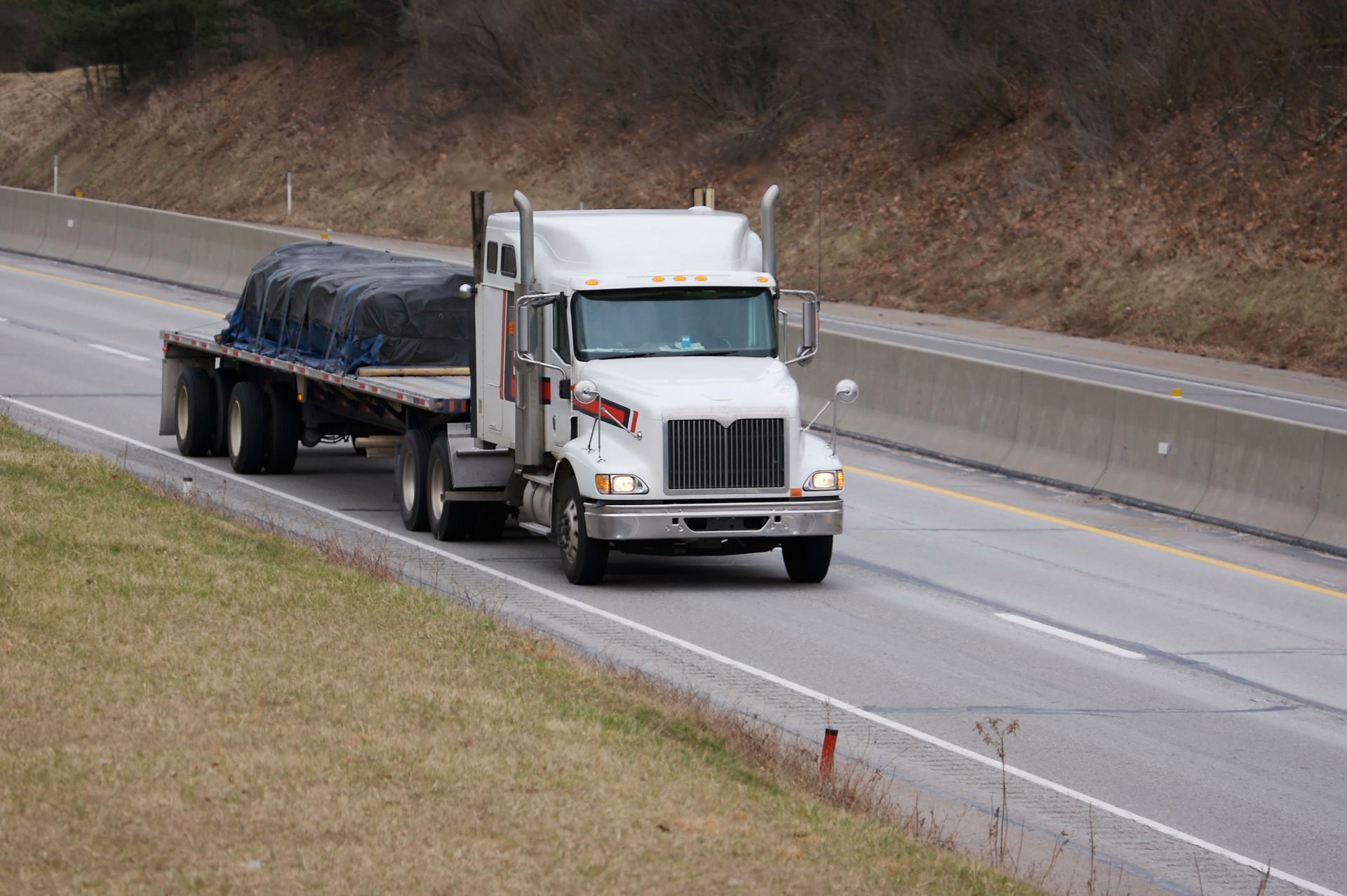
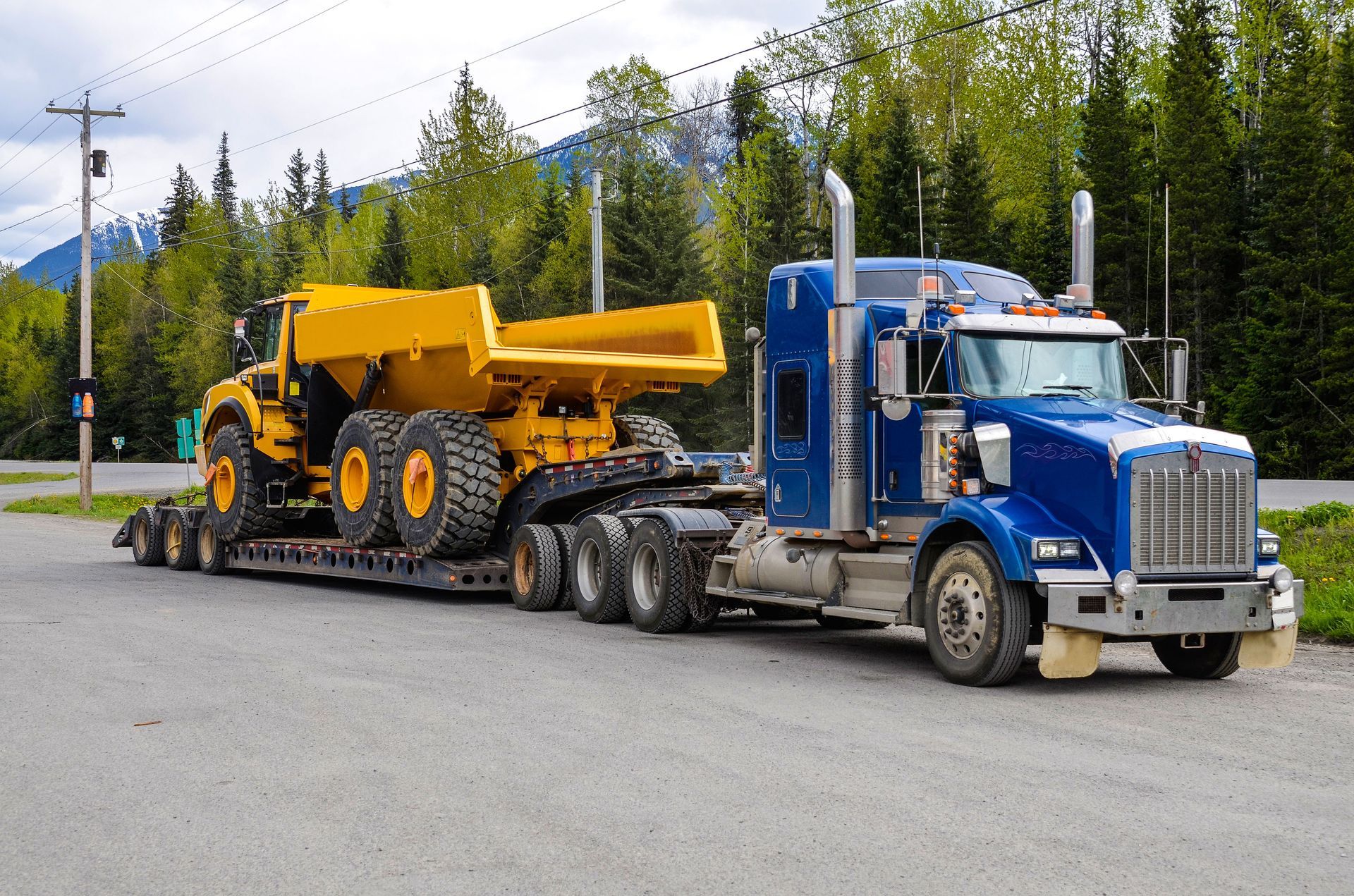
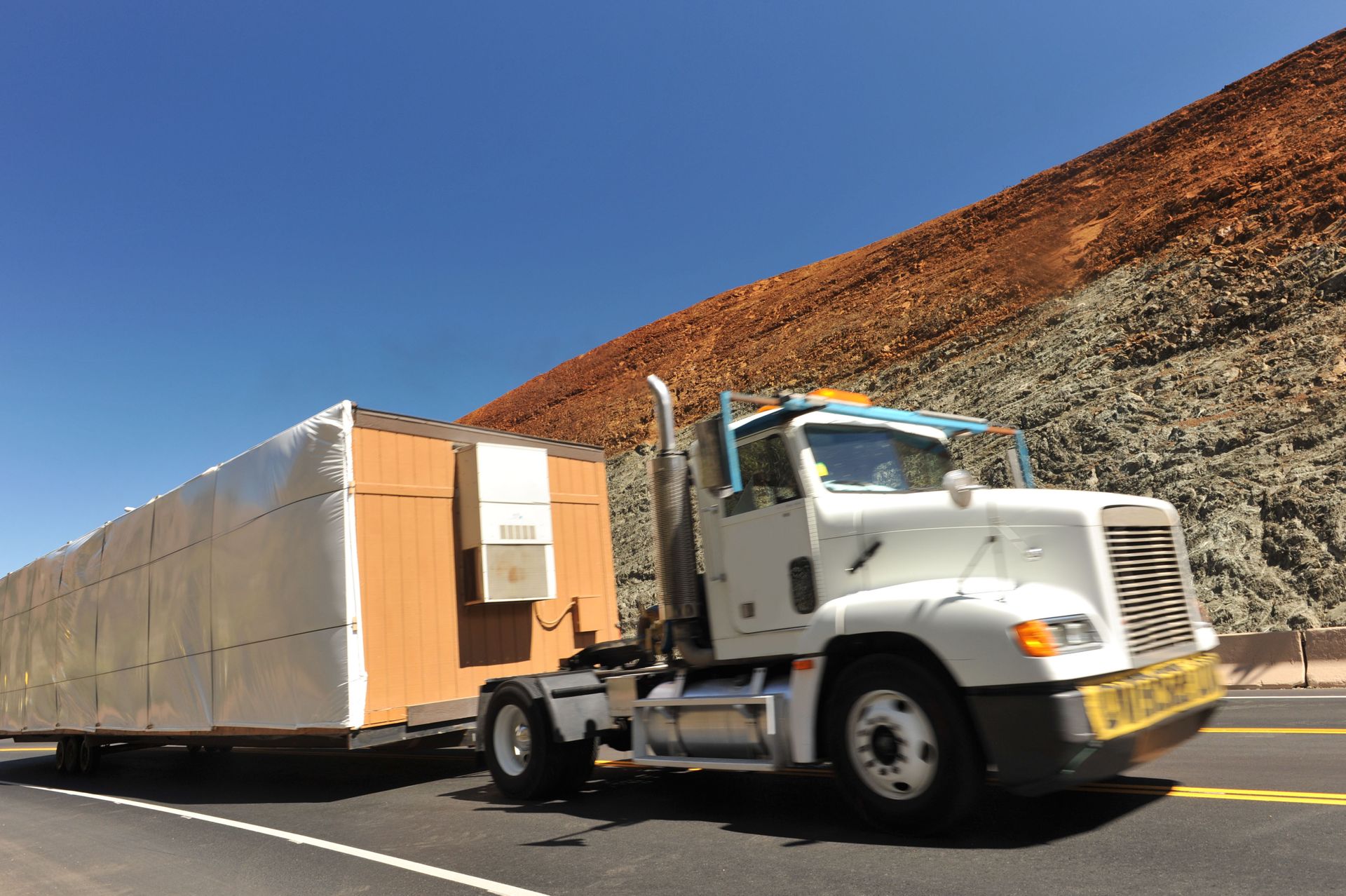
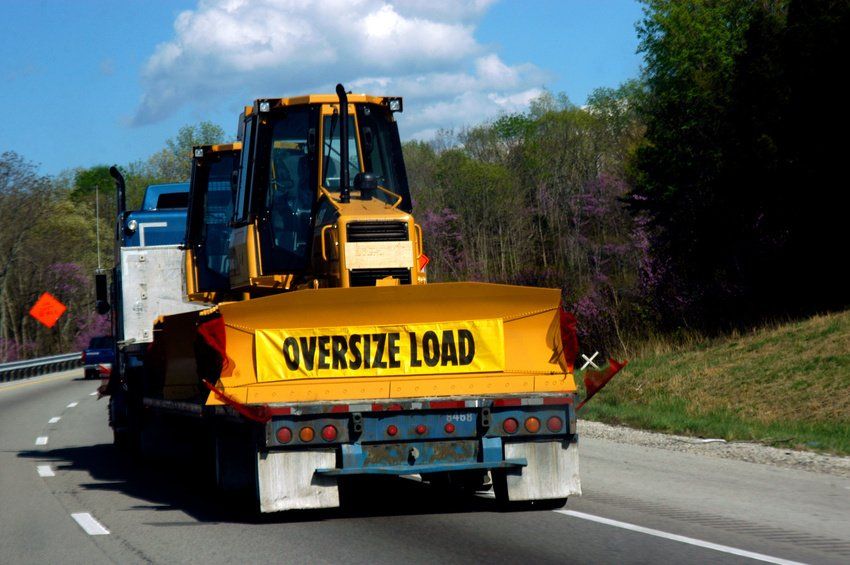
For example, according to the Department of Transportation and other regulatory bodies, companies must comply with guidelines regarding the weight, loading, and securing of cargo. Particularly, regulations outline that for an operation to be considered heavy haul, the cargo must exceed 80,000 pounds of gross vehicle weight, according to Motive Technologies. Adhering to such stipulations ensures that the equipment used is fit for purpose and that the risk of spillages or other hazardous incidents is minimized along the transportation route. Technology assists in monitoring these metrics accurately and in real-time, ensuring compliance is meticulously upheld. Proper documentation also helps demonstrate compliance during inspections and when coordinating with transportation authorities.
Invest in Driver Training and Certification
The efficacy of operations in heavy trucking companies largely depends on the proficiency of their drivers. Training programs that focus not only on operational skills but also on safety compliance and emergency management are crucial. These programs ensure that drivers are not just licensed, but thoroughly acquainted with the nuances of tank transportation and can handle the stress and unpredictability that come with the job. Advanced simulation training further equips drivers with the tools needed to respond to real-world challenges effectively. A well-prepared driver can also recognize potential hazards early and take appropriate action to prevent incidents.
Moreover, continuous training and certification serve to keep drivers up to date with the latest industry best practices and technological advancements. Certified drivers are capable of making informed decisions in real-time scenarios—decisions that could be critical in preventing accidents. Certification also instills a sense of responsibility and professionalism, which translates into safe and efficient hauling operations. The commitment to regular assessments ensures that drivers continually meet industry standards and foster operational excellence. Ongoing education also reinforces safe driving habits and helps employees adapt to changing transportation requirements.
Leverage Advanced Safety Technologies
In an era where technology is continually evolving, heavy trucking companies are harnessing advanced safety technologies to bolster their operations. These technologies include real-time tracking systems, which allow for the monitoring of tank locations, as well as sensors that can detect anomalies in tank conditions, such as pressure or temperature changes. The integration of such technologies enhances the driver’s capability to manage loads effectively and react promptly to potential threats or issues during transit. The constant evolution and incorporation of new tech solutions help sustain competitive advantages and improve overall safety. These tools can also help dispatchers identify route disruptions and make timely adjustments to delivery schedules.
Additionally, advanced vehicle safety features, such as collision avoidance systems and electronic stability control, contribute significantly to preventing accidents. By leveraging these technologies, companies not only enhance safety but also optimize operational efficiencies. These innovations provide a dual benefit—protecting the cargo and furthering the reputation of heavy trucking companies as leaders in safe and reliable transportation. Research partnerships with tech firms continue to expand the potential applications of such innovations. Investing in reliable safety systems can also help reduce costly delays and unexpected vehicle repairs.
Implement Rigorous Inspection and Maintenance Practices
Routine inspections and maintenance of vehicles and equipment are cornerstones of safe tank hauling. Such practices ensure that the trucks and their accompanying apparatus are in optimal condition, decreasing the likelihood of mechanical failure that could lead to accidents. Heavy trucking companies regularly schedule inspections that cover all components, from brakes and tires to the intricate securing systems used to stabilize tanks. This rigorous maintenance regime supports the sustainability and long-term viability of operations. Preventive maintenance schedules also allow companies to address minor issues before they interfere with planned deliveries.
Thorough and frequent inspections are instrumental in detecting wear and tear before it escalates into a major issue. Proper maintenance not only prolongs the life of the equipment but also enhances reliability and reduces downtime. This proactive approach is indicative of a commitment to operational excellence and is essential for maintaining the trust clients place in these companies for the safe transportation of their goods. Detailed reporting systems further enhance transparency and client confidence. Keeping accurate maintenance records also helps teams identify recurring problems and make informed equipment management decisions.
Develop Comprehensive Emergency Preparedness Plans
Despite all the preventive measures in place, emergencies can still occur. Therefore, heavy trucking companies develop and implement comprehensive emergency preparedness and response plans. These plans are devised to ensure swift and effective action during unforeseen incidents, minimizing risks and potential damages. A striking feature of these plans is their adaptability and inclusion of varied scenarios, ranging from minor spills to major road collisions. Engaging third-party safety consultants helps refine and improve these contingency plans by bringing fresh perspectives. Clearly defined response procedures help employees understand their responsibilities when unexpected situations arise.
Communication is a critical aspect of emergency preparedness. Establishing robust lines of communication both within the company and with external emergency services ensures that all stakeholders are informed and that support is mobilized without delay. Additionally, conducting regular emergency drills allows companies to test and refine their response strategies, ensuring that, in the face of adversity, they can act decisively and capably manage the situation. These regular evaluations and adjustments to the plans illustrate the commitment to continuous improvement and preparedness. Reliable communication systems are especially important when coordinating responses across multiple locations or jurisdictions.
Heavy trucking companies employ a variety of methods to simplify tank hauling, from leveraging technology and ensuring safety to managing environmental impacts and costs. Understanding these approaches not only enhances operational success but also fosters a safer, more efficient industry. By addressing the complexities of tank transportation head-on, these companies demonstrate resilience and a forward-thinking approach that sets benchmarks for others to follow. The future of tank hauling involves embracing emerging technologies and a commitment to sustainable practices to stay at the forefront of the industry. The multifaceted strategies used by heavy trucking companies reflect their dedication to integrity and innovation within the industry. Reach out to Henderson Heavy Haul to learn more about our services today.