Why Heavy Hauling Companies Matter for Large-Scale Transport Needs
Moving oversized machinery, industrial materials, and specialized equipment is not a routine shipping task. It requires planning, precision, and the ability to manage weight, dimensions, timing, and route conditions without losing sight of safety. For many industries, transportation is one of the most important links between project planning and project completion. When cargo is unusually large or difficult to move, businesses often rely on heavy hauling companies to make sure each load reaches its destination efficiently and in compliance with transportation requirements. From construction and agriculture to energy and manufacturing, these services help keep major operations moving forward with fewer delays and fewer costly mistakes. They also give decision-makers a more dependable way to manage high-stakes deliveries when schedules, budgets, and site readiness all depend on equipment arriving exactly when and where it is needed.
Supporting Complex Transportation Demands
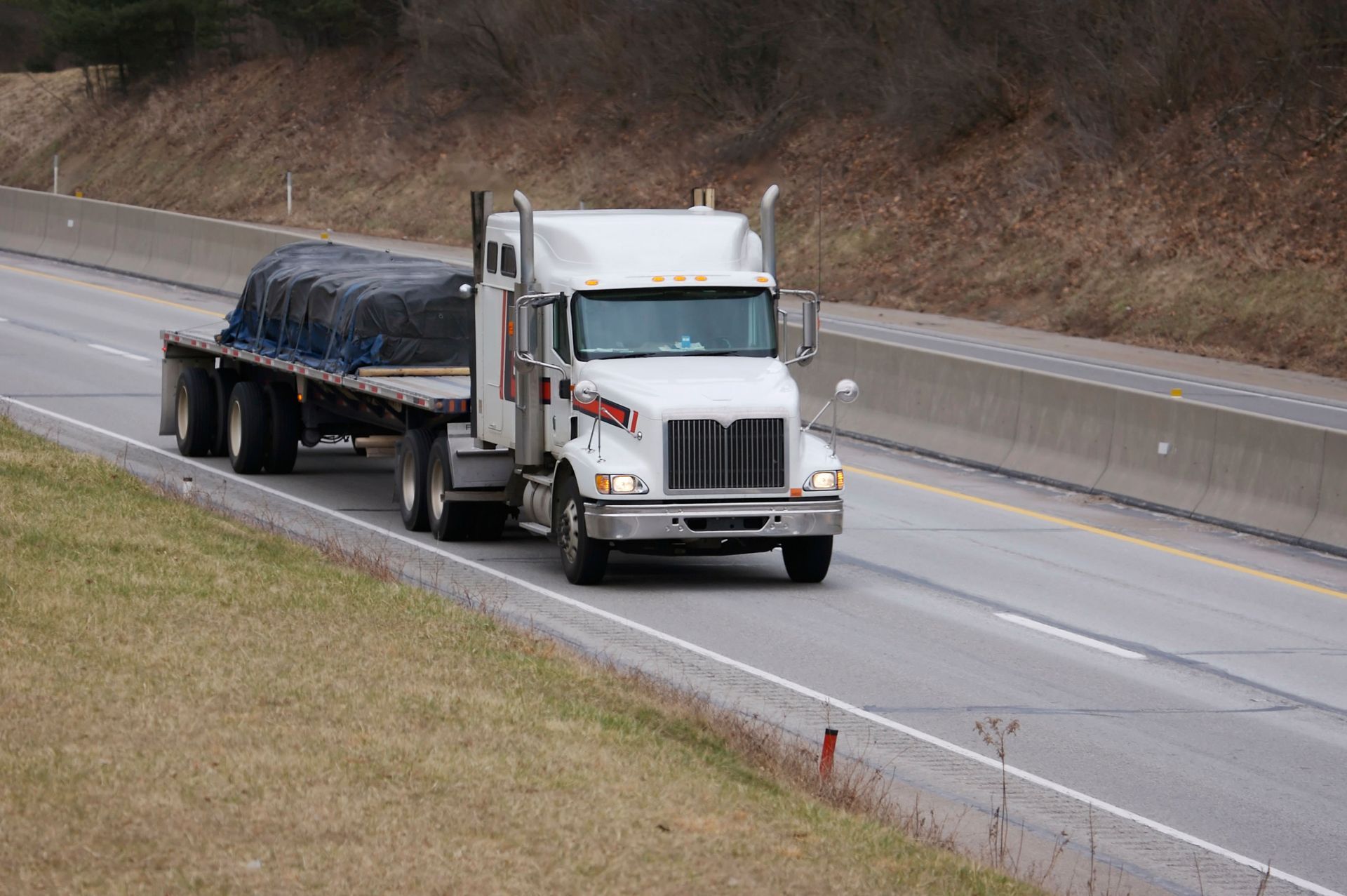
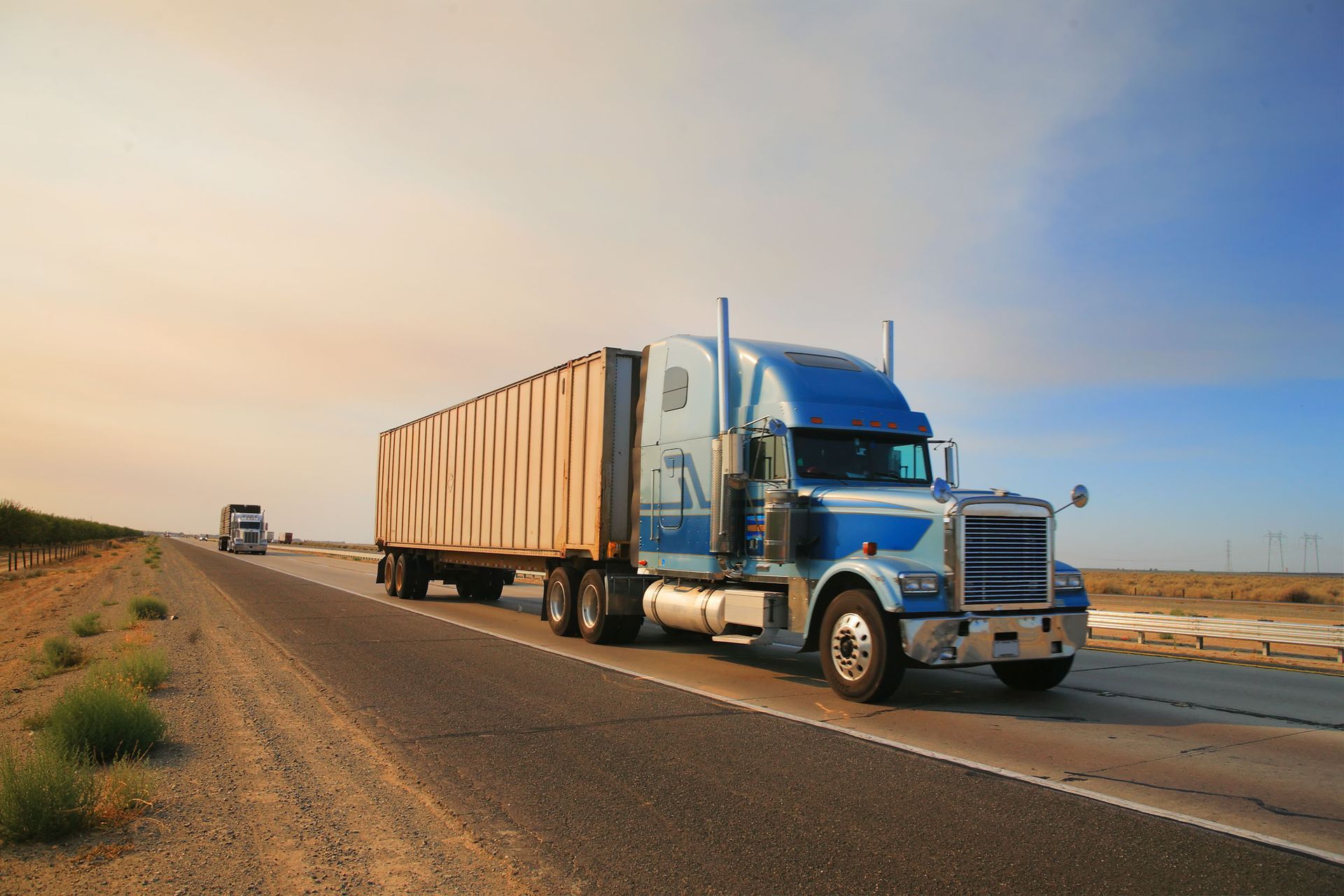
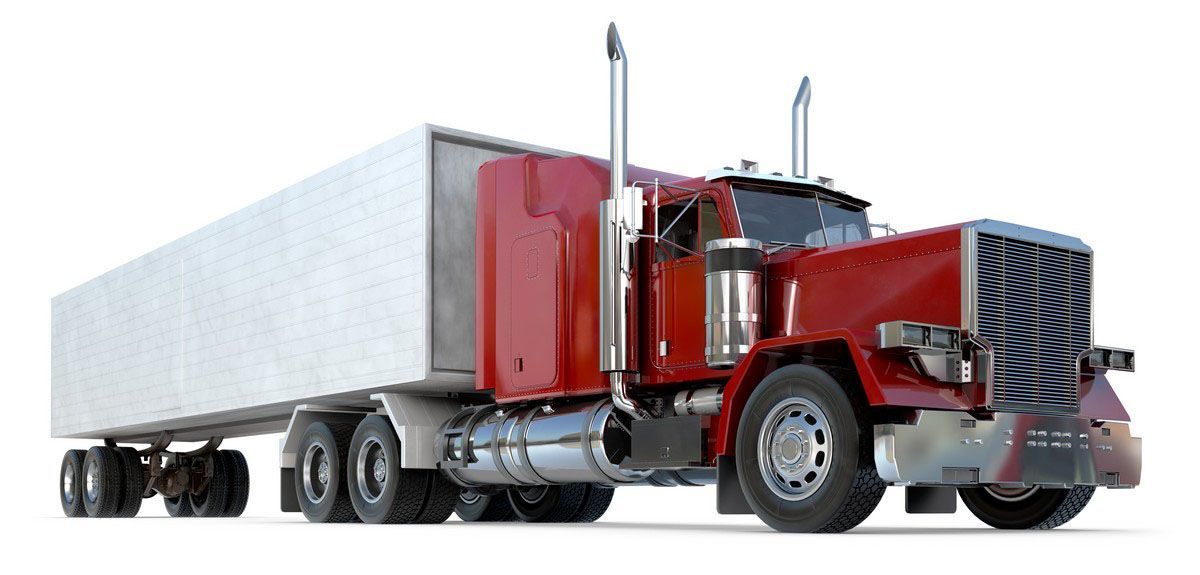
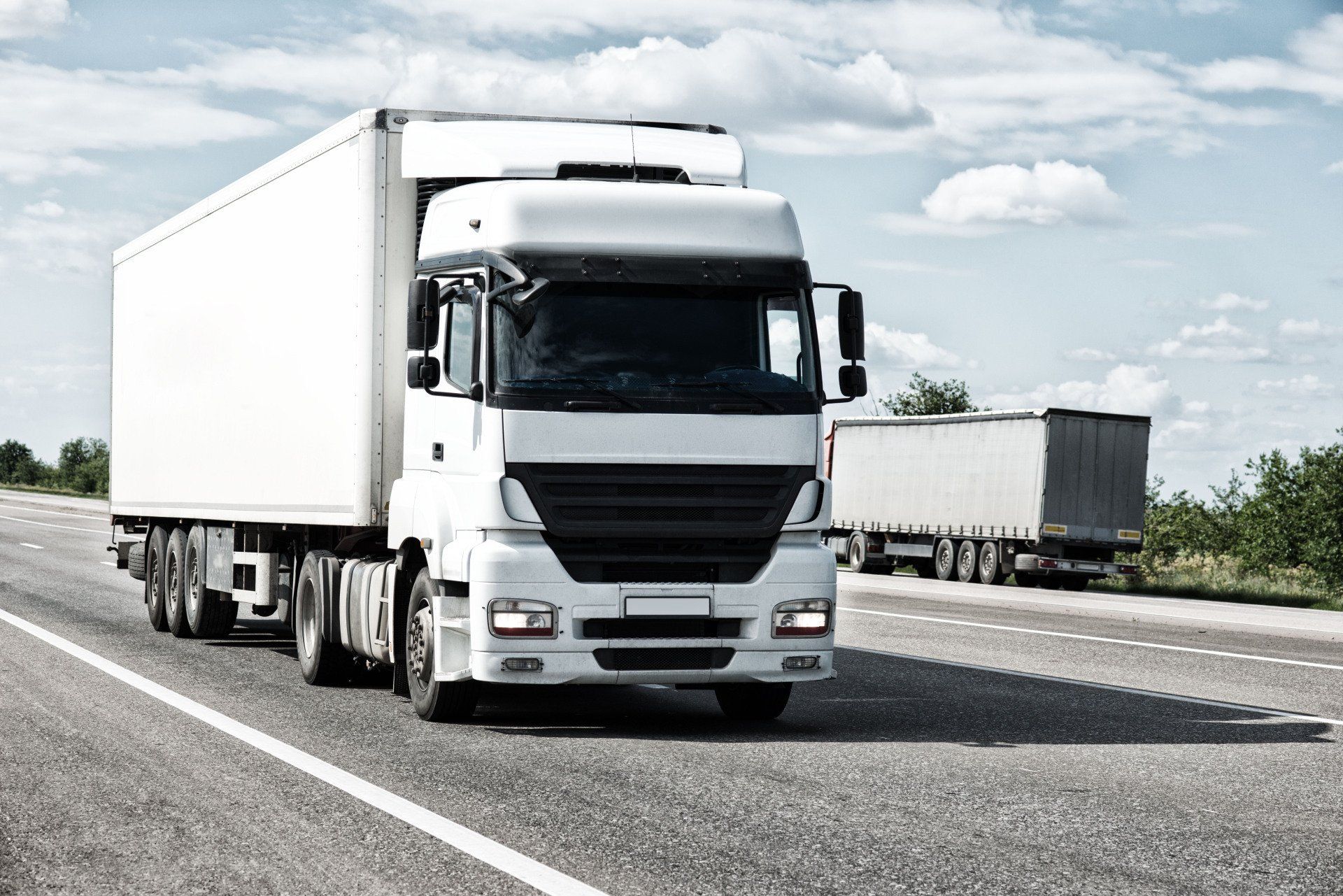
Large-scale transportation needs are rarely simple. Oversized loads often involve unique dimensions, specialized trailers, escort coordination, and carefully mapped travel paths. A standard freight solution may not be equipped to manage those variables, especially when cargo must move across long distances or through heavily regulated routes. This is where heavy hauling companies provide an essential advantage.
These transportation providers are equipped to handle freight that cannot be moved with conventional trucks or traditional shipping methods. Whether a business is relocating excavation equipment, utility components, structural steel, or prefabricated systems, the job requires the right equipment and trained operators. Every detail matters, from secure loading practices to axle distribution and road clearance. By managing those details early, professional hauling teams help reduce the likelihood of delays, route conflicts, and equipment damage during transit.
Managing Oversized Load Requirements
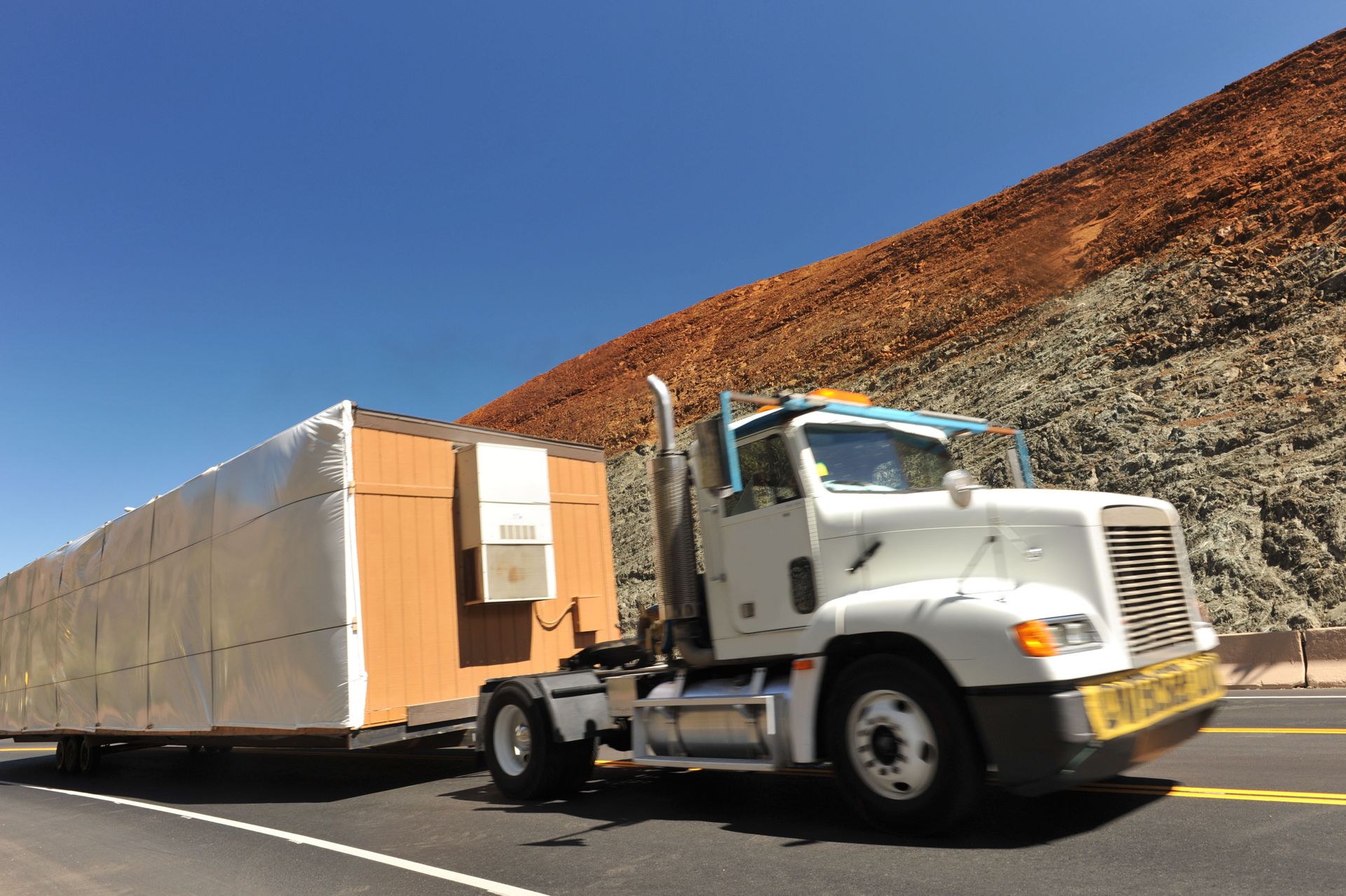
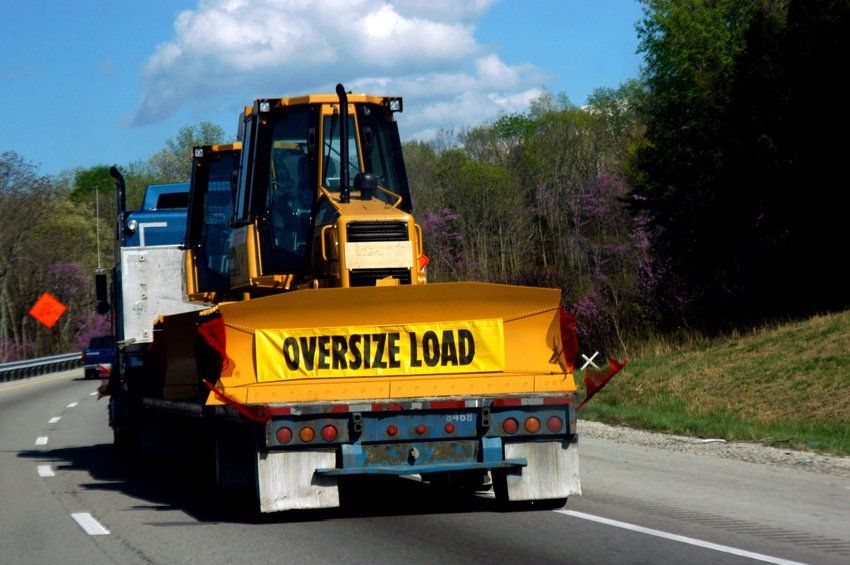
Transporting large freight also means understanding what qualifies as a heavy or oversized load in the first place. According to Truckstop.com, although requirements vary by state, a load is generally considered heavy if it exceeds 8.6 feet in width, 13.6 feet in height, 53 feet in length, or 80,000 pounds in gross weight. Once cargo crosses those limits, transportation planning becomes far more involved than simply assigning a truck and choosing a highway.
That transition is one reason so many project managers depend on heavy hauling companies for time-sensitive or high-value shipments. These providers understand how regulations differ from one jurisdiction to another and how those differences affect route selection, permits, scheduling windows, and vehicle configuration. They also know that even small planning errors can create expensive setbacks. Working with experienced teams allows businesses to prepare for restrictions before the move begins instead of reacting to problems after the shipment is already on the road.
Protecting Equipment and Project Timelines
Oversized freight often represents a major investment. A single delayed or damaged shipment can disrupt an entire project schedule, increase labor costs, and leave crews waiting for materials or machinery they need to proceed. Protecting that investment is one of the strongest reasons to choose a specialized transportation provider rather than a general freight option.
Reliable heavy hauling companies help safeguard cargo through a combination of appropriate trailer selection, securement methods, route planning, and communication. Different loads demand different approaches. A transformer, for example, must be handled differently than a crane component or a large agricultural vehicle. The process begins with understanding the load's dimensions, weight distribution, and sensitivity to movement. From there, transportation professionals can determine how the shipment should be loaded, supported, and monitored throughout the trip. That level of oversight helps businesses stay on schedule while reducing avoidable risks.
Coordinating Logistics Across Multiple Industries
The value of specialized hauling extends across a wide range of industries. Construction firms may need bulldozers, pavers, or steel beams delivered to active job sites. Agricultural operations may need combines, tractors, or storage components moved between locations. Manufacturers may need production equipment transported during plant expansions or facility upgrades. Energy and infrastructure projects may involve turbines, utility poles, pipe sections, or other components that require exact timing and handling.
Because of this broad demand, heavy hauling companies often serve as logistical partners rather than basic transportation vendors. They help coordinate pickups, delivery windows, staging needs, and site access considerations that affect the success of the shipment. In many cases, the transport itself is only one part of a much larger operational plan. When hauling teams understand the broader project context, they can support smoother scheduling and help minimize disruptions for contractors, site managers, and business owners alike.
Improving Safety Through Specialized Planning
Safety is a central concern in any transportation job, but it becomes even more important when the cargo is exceptionally large or heavy. A poorly planned oversized move can create hazards for drivers, crews, road users, and the cargo itself. Clearance issues, unstable loading, and inadequate route assessments can all lead to serious problems if they are not addressed in advance.
Professional heavy hauling companies reduce those risks by emphasizing preparation and compliance. That may include reviewing bridge restrictions, accounting for turning radiuses, checking local travel limits, and arranging pilot vehicles when required. It also includes making sure the people handling the shipment understand how to load, secure, and transport oversized freight responsibly. Businesses benefit from this structured process because it supports safer movement from origin to destination. It also helps demonstrate that the shipment was handled with the level of care that large-scale transport demands, which can be especially important for regulated industries and high-value equipment transfers.
Reducing Costly Delays and Operational Setbacks
Many businesses focus first on the upfront cost of transportation, but the real financial impact often comes from delays, downtime, and preventable complications. If a shipment arrives late, arrives damaged, or cannot be delivered because of permit or route issues, the result can ripple across an entire project. Labor schedules may shift, rented equipment may sit unused, and deadlines may become harder to meet.
That is why heavy hauling companies are so valuable in long-range planning. Their experience can help businesses avoid hidden costs by identifying challenges before they interrupt the shipment. They can recommend more practical routes, schedule transport around restrictions, and match each load with equipment designed for the job. They can also improve coordination between dispatchers, site supervisors, and receiving teams so that the handoff process is more efficient when cargo reaches the destination. Over time, that level of planning can improve operational efficiency and support better project outcomes. Instead of treating hauling as an afterthought, businesses can view it as a strategic service that protects timelines, budgets, and overall project momentum.
Strengthening Large-Scale Transport Outcomes
When organizations need to move freight that exceeds ordinary shipping limits, the quality of the transportation partner matters. Large-scale transport calls for more than horsepower. It requires technical knowledge, logistical coordination, and the ability to execute a plan with care from start to finish. Whether the cargo supports a construction schedule, a manufacturing expansion, or an infrastructure upgrade, the move must be handled correctly to avoid unnecessary disruption.
For that reason, heavy hauling companies continue to play an important role in modern industry. They help businesses move critical assets with greater confidence, maintain compliance during difficult shipments, and support the steady progress of large projects that depend on precise delivery. As transportation demands become more specialized, choosing the right hauling provider can make the difference between a smooth operation and a costly delay. Call Henderson Heavy Haul today to schedule your heavy hauling service.