5 Things You Need to Know About Heavy Hauling for Wind Energy Projects
The global shift toward renewable energy sources relies on massive infrastructure developments that depend on precision logistics. Moving the massive components required for modern wind farms involves overcoming immense physical and legal hurdles. These utility-scale operations require sophisticated equipment and meticulous planning to transition turbine parts from factories to remote locations. Managing these supply chains demands an understanding of specialized transport equipment, local infrastructure constraints, and strict regulatory frameworks. Partnering with experienced transport professionals allows energy developers to navigate these intricate supply chain demands while protecting their capital investments.
Managing logistics for large-scale energy developments requires balancing route efficiency, equipment limits, and local infrastructure constraints. Transporting large components across varied terrains requires an integrated approach to project management. Every phase, from site surveys to final offloading, depends on precise timing and technical execution. Industry specialists use customized equipment to navigate tight turning radiuses, bridge weight capacities, and overhead clearances. Engaging dedicated logistics professionals ensures that project deadlines are met without compromising safety or structural integrity.
1. Understanding the Basics of Heavy Hauling for Wind Energy
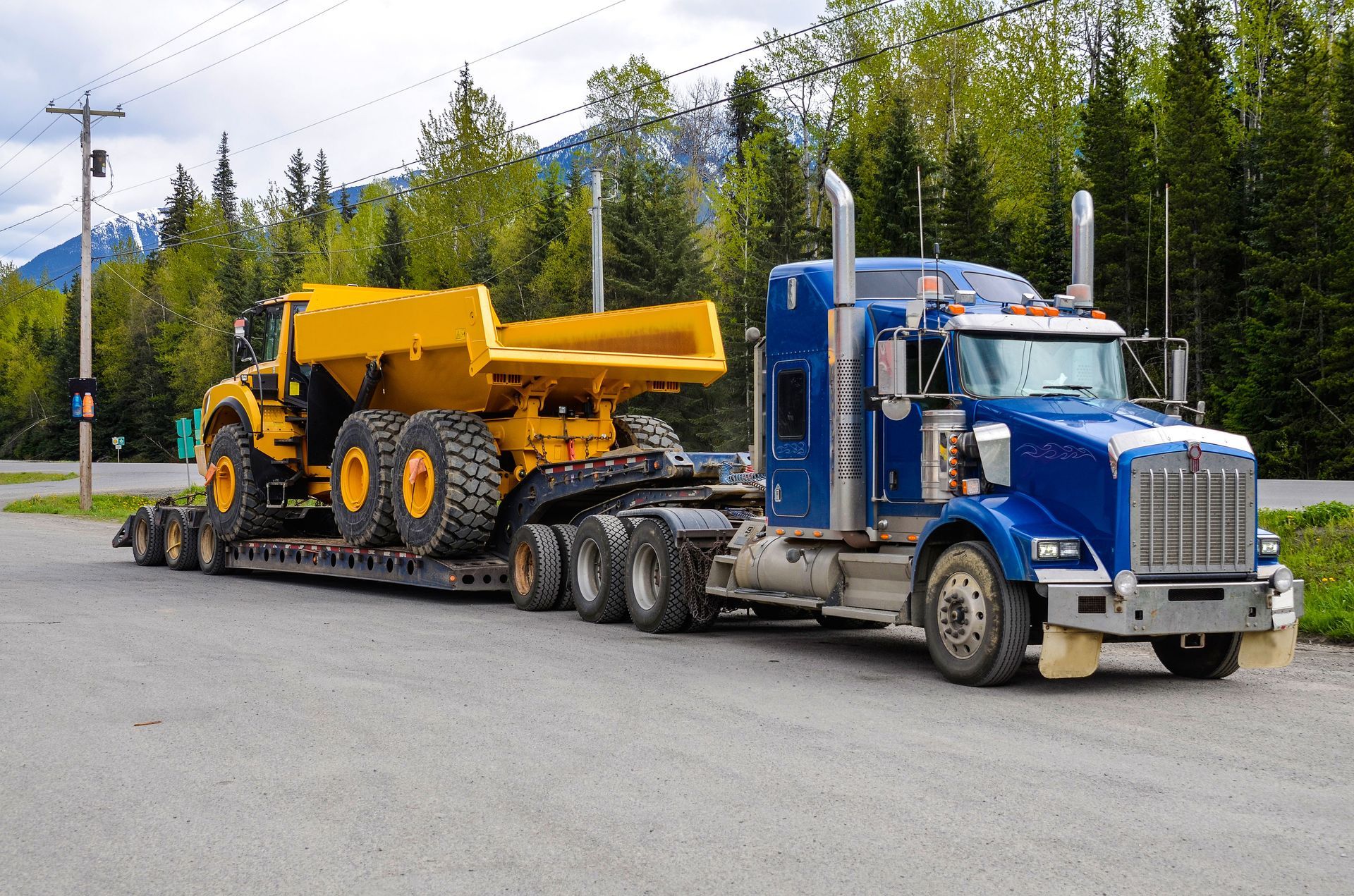
The movement of massive turbine blades, tower sections, and heavy nacelles requires specialized equipment engineered specifically for oversized cargo. Unlike standard freight operations, these specialized logistics require custom trailer configurations to distribute extreme weight evenly across road surfaces. Navigating remote rural roads and urban intersections with cargo exceeding standard length and weight limits demands specialized driving expertise. Each route presents unique physical constraints that require careful pre-trip planning and physical road surveys. Relying on professional heavy hauling services allows project managers to overcome these physical constraints and ensure cargo reaches the installation site without damage.
Modern transport operations use specialized multi-axle trailers, hydraulic platform systems, and extendable flatbeds designed to handle massive structural components. These custom rigs are often paired with steerable rear dollies to navigate tight turns along rural delivery routes. Coordination extends beyond the transport vehicle itself, frequently requiring police escorts, bucket trucks to lift overhead wires, and certified route spotters. Managing these moving parts requires constant communication between the transport crew, local authorities, and site managers. Proper execution avoids multi-million-dollar delays and keeps large construction schedules moving forward efficiently.
2. Regulatory and Legal Considerations
Operating within legal frameworks requires navigating a complex system of state, regional, and municipal transport regulations. Permitting requirements vary widely by jurisdiction, specifying approved travel corridors, axle weight limits, and designated travel windows. Crossing state or municipal lines often means complying with conflicting rules regarding escort vehicles, running times, and seasonal frost-law restrictions. Failing to secure the exact legal permits can lead to severe financial penalties, impounded equipment, and project delays. Working with knowledgeable logistics coordinators simplifies the permitting process and maintains compliance across all jurisdictions.
Maintaining strict safety standards protects both the transport crew and the public during oversized moves. The trucking industry, according to American Trucking Associations, invests $14 billion in safety annually, reflecting the importance of stringent safety measures in transport operations. This involves regular maintenance checks on vehicles, adequate training for operators, and ensuring that all equipment meets the required safety certifications. Adhering to strict safety protocols mitigates operational risks and keeps projects compliant with federal transportation standards. Experienced logistics partners integrate these safety protocols into every phase of their transport strategy.
3. Technical Challenges in Heavy Hauling
The sheer scale of modern wind turbine components presents complex engineering challenges during transport. Distributing thousands of pounds across multiple axles requires precise load-calculation software to prevent structural damage to roads and bridges. Dynamic forces, such as wind resistance on high-surface-area blades, must be calculated to prevent trailer instability during transit. Transport teams must also contend with severe weather conditions and rough terrain when approaching remote wind farm sites. Utilizing advanced heavy hauling services helps energy companies address these technical obstacles through specialized load distribution and stability management.
Detailed route planning forms the backbone of successful heavy transport operations. Logistics teams use route-survey software and physical drives to identify tight turn radiuses, low-clearance overpasses, and weight-restricted bridges. In many cases, temporary road modifications, such as widening intersections or laying down heavy-duty mats over soft ground, are required to facilitate passage. Real-time traffic monitoring and weather tracking allow transport teams to adjust schedules and avoid hazardous driving conditions. This level of technical planning minimizes downtime and ensures that specialized components arrive safely at their destination.
4. Cost and Economic Factors
Financial management for major utility transport involves analyzing both direct and indirect operational expenditures. Capital allocation must account for specialized equipment rentals, permits, route modification costs, and mandatory escort services. Fuel consumption increases significantly when towing extra-large loads, making route optimization crucial for cost control. Unplanned delays caused by poor route selection or permit errors can quickly escalate costs across the entire construction site. Factoring in these logistical variables early in the planning process helps project managers build realistic operational budgets.
Achieving long-term economic efficiency requires balancing initial logistics investments with overall project timelines. Delays in component delivery can hold up expensive crane crews and assembly teams at the installation site, causing financial strain on the project. Partnering with established freight providers mitigates these financial risks through reliable scheduling and turnkey route management. Efficient supply chain execution lowers overall installation costs and accelerates the timeline to power generation. Strategic investment in experienced transport partners consistently yields measurable returns over the life of a construction project.
5. Innovations and Technological Advancements
Technology continues to reshape the oversized cargo industry, improving safety and operational visibility. Modern trailers now feature remote-controlled hydraulic steering systems, allowing operators to maneuver massive loads through tight spaces with precision. Advanced telemetry platforms provide real-time tracking of cargo position, weight distribution, and speed, giving dispatchers full visibility over the transport process. AI-driven logistics software processes traffic patterns, weather reports, and route data to recommend optimal travel windows. Integrating heavy hauling services with these technological platforms enhances safety and streamlines the delivery of critical infrastructure components.
Sustainability initiatives are driving modern equipment design, reducing the environmental footprint of heavy transport operations. Manufacturers are developing high-strength, lightweight trailer materials that increase payload capacity while lowering fuel consumption. Hybrid and alternative-fuel transport tractors are being introduced to align heavy transport operations with the green energy goals of the wind sector. Furthermore, predictive maintenance software uses sensor data to identify mechanical issues before equipment failure occurs on the road. These technological advancements ensure that oversized transport remains efficient, safe, and aligned with broader environmental goals.
Executing a successful utility-scale energy installation requires experienced supply chain management and reliable transport execution. Moving multi-ton turbines and oversized components across vast distances leaves no margin for error or delay. Experienced logistics teams bring the technical knowledge, regulatory expertise, and specialized equipment necessary to complete complex transport operations smoothly. From initial route surveys to final on-site delivery, dedicated transport partners safeguard valuable equipment while maintaining strict construction schedules. Working with seasoned professionals protects capital investments and helps keep renewable energy projects moving forward smoothly.
Streamline your energy logistics and secure reliable transport for your next major installation by contacting Henderson Heavy Haul today. Our team delivers tailored route planning, permit management, and specialized equipment execution designed for complex industrial projects. We manage every detail of the supply chain to ensure your components arrive safely and on schedule. Explore our comprehensive
heavy hauling services and learn how our dedicated logistics team can support your energy infrastructure goals. Reach out to our team today to request a quote and build a reliable transport plan for your upcoming project.