What Qualifies as a Heavy Haul—and Why It Matters for Your Project
Executing massive industrial developments, infrastructure expansions, and commercial construction builds requires moving specialized machinery and colossal structural components across public roadways. Standard freight transport relies on conventional flatbeds and enclosed trailers to shift goods that fit neatly within legal dimensional and weight parameters. However, when project requirements involve moving massive excavators, industrial turbines, pre-cast concrete bridge girders, or oversized manufacturing equipment, standard logistics methods prove insufficient. Transporting these gargantuan loads shifts the operation into the complex domain of specialized heavy transport. Navigating these logistically intense operations demands a deep understanding of state regulations, specialized trailer mechanics, route planning, and safety protocols. Partnering with experienced heavy haulers transforms overwhelming transport challenges into seamless, predictable delivery operations. Understanding what classifies a load as specialized transport—and why that distinction matters ensures that project managers preserve budget margins, prevent severe project delays, and maintain public safety throughout the transportation cycle.
Defining Legal Load Boundaries
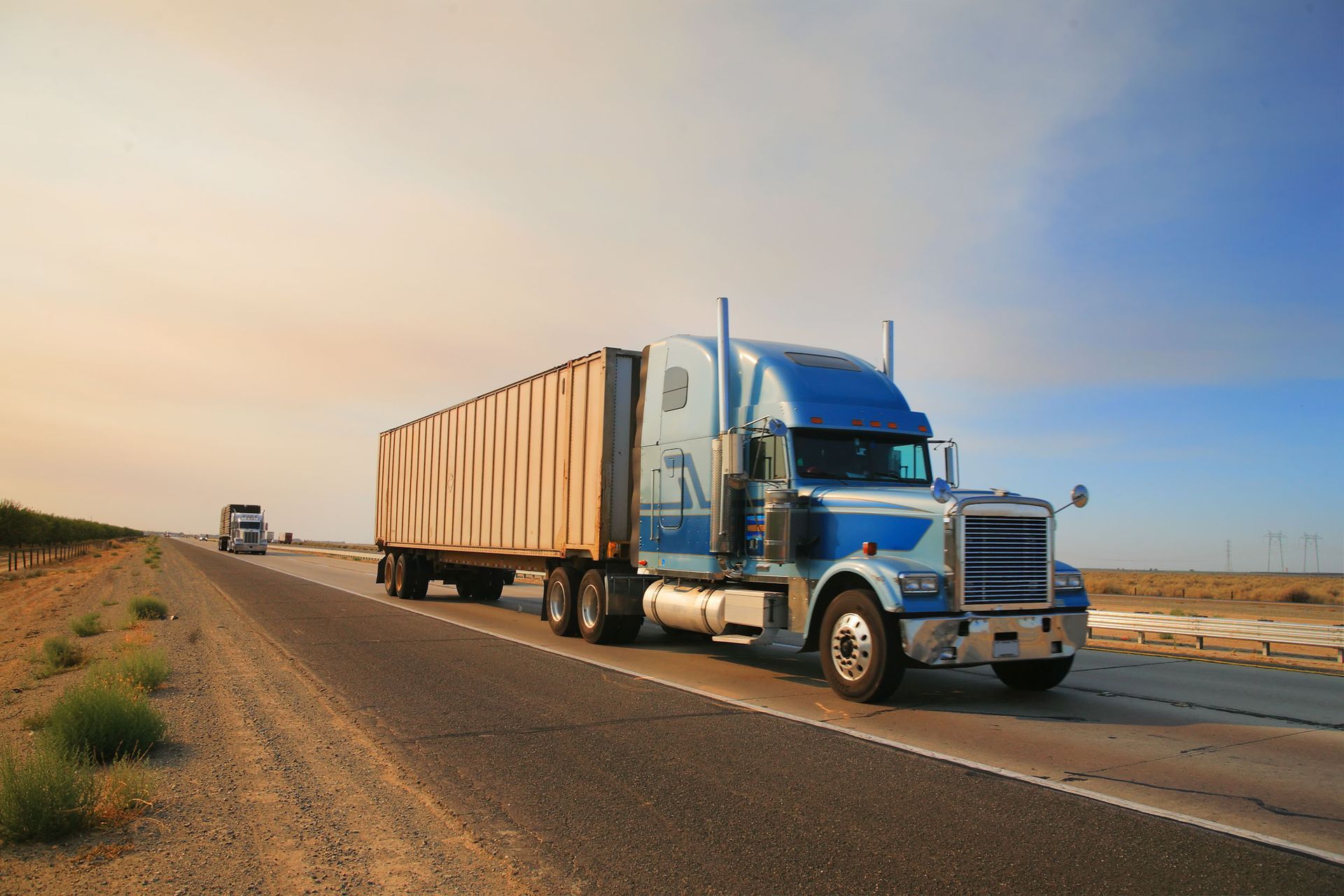
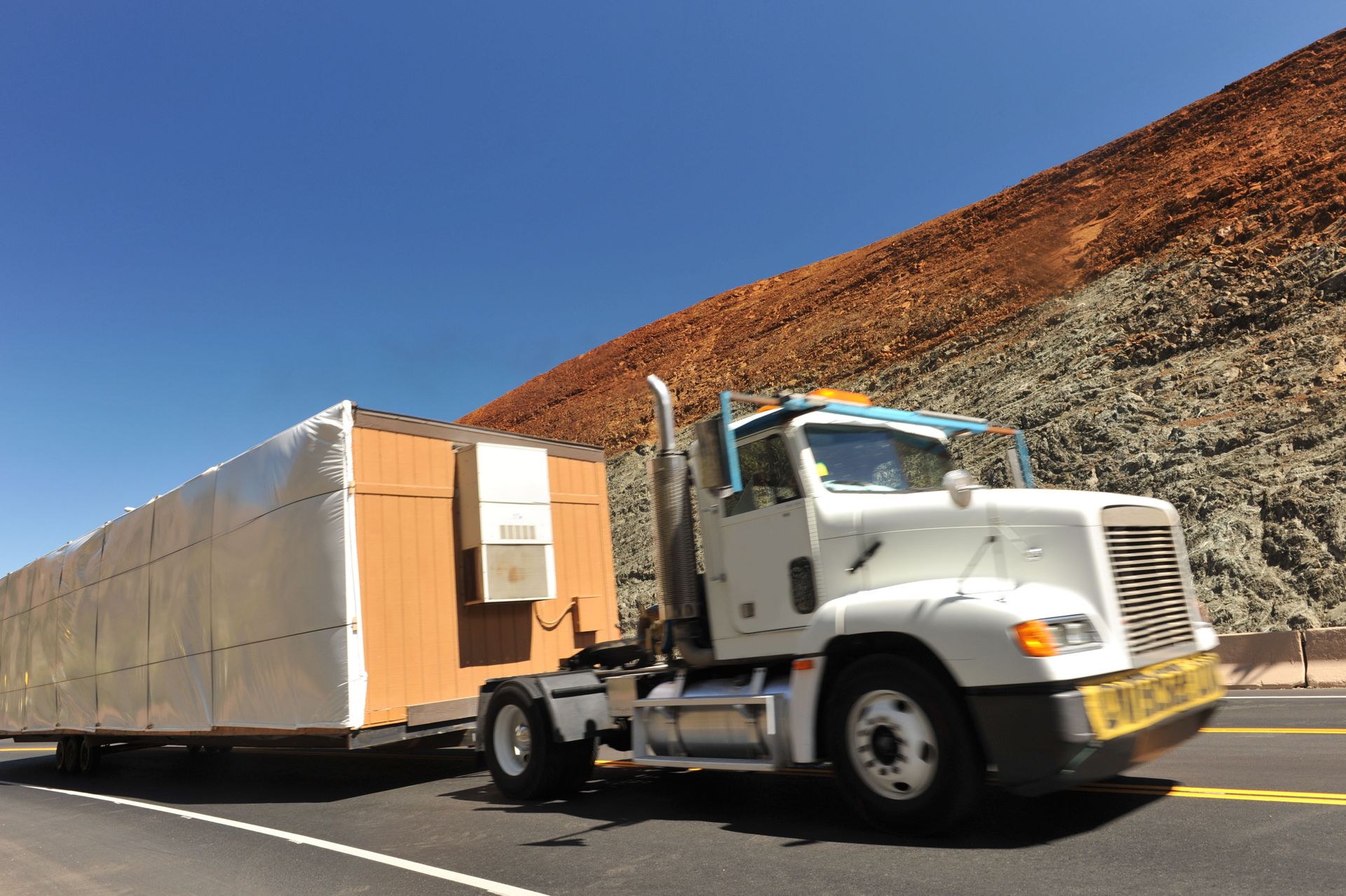
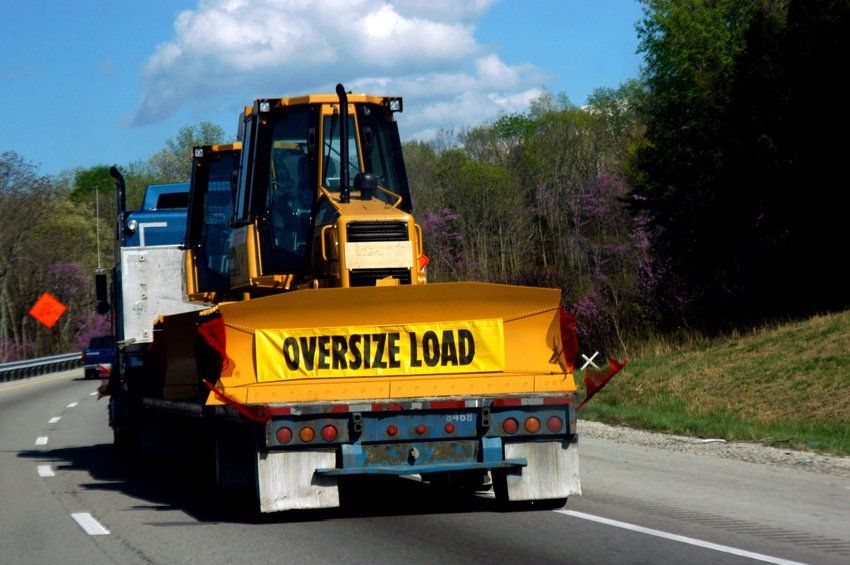
Understanding where standard freight transport ends and specialized oversized transit begins requires evaluating physical dimensions and weight metrics. Transportation authorities establish strict legal limits governing length, width, height, and gross vehicle weight to protect road surfaces, bridge spans, and overhead utility lines from catastrophic physical damage. When cargo exceeds these standard legal thresholds in any single dimension or total mass, the shipment reclassifies as an oversized or overweight load. Moving such cargo requires specialized permits, custom transport configurations, and strict adherence to designated transport corridors.
Determining whether cargo qualifies for specialized transport involves assessing more than just the physical item itself. According to Market Research Future, the heavy haul truck market is segmented by load capacity, with the Above 50 Tons category leading due to strong demand from construction, mining, and logistics sectors. Managing loads that push past standard legal capacities requires distributing weight across multiple axles to prevent road surface shear and structural bridge failure. Working alongside professional heavy haulers ensures that every shipment is accurately evaluated against regional weight and size boundaries long before wheels hit the asphalt, preventing unexpected roadside impoundments or costly regulatory fines.
Selecting Specialized Trailer Equipment
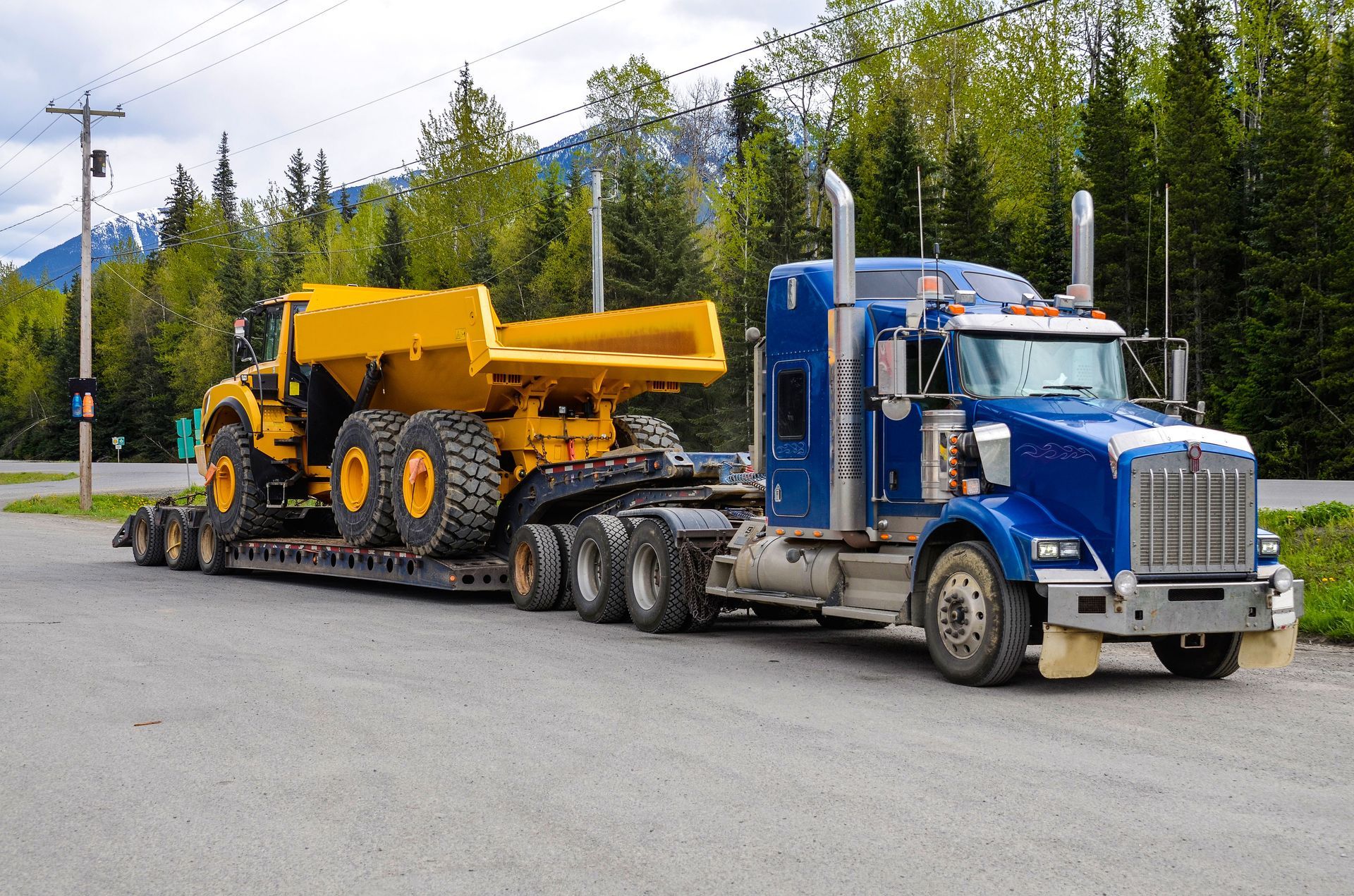
Transporting oversized or exceptionally heavy machinery requires specialized trailer configurations engineered to handle extreme structural loads. Standard flatbed trailers lack the structural framing, clearance capabilities, and axle support necessary to balance massive industrial equipment safely. Specialized transport utilizes multi-axle lowboys, step-decks, extendable flatbeds, and perimeter trailers designed to drop cargo clearance lower to the ground, allowing tall loads to clear overhead bridges and electrical wires safely.
Matching the correct trailer setup to specific cargo demands detailed mechanical engineering. Hydraulic removable goosenecks allow heavy tracked machinery to drive directly onto the trailer deck, eliminating complex crane loading operations. Furthermore, multi-axle trailers featuring steerable axles provide operators with the ability to navigate tight turns and roundabout corridors without running over curbs or striking street infrastructure. Relying on knowledgeable heavy haulers guarantees that your project utilizes the precise trailer technology required for optimal load distribution, low overhead clearance, and maximum operational stability during transit.
Navigating Complex Permitting Processes
Transporting oversized loads across state or municipal borders requires navigating an intricate network of regulatory permits and local transportation laws. Jurisdictions maintain distinct rules regarding allowable travel times, weekend transit restrictions, axle weight allocations, and required escort vehicles. Obtaining proper permits involves submitting detailed route surveys, vehicle dimensions, and axle spacing schematics to state departments of transportation well in advance of the scheduled move date.
Failing to secure proper documentation or violating permit conditions can halt a major construction project immediately, resulting in severe financial penalties and revoked transport privileges. Navigating these bureaucratic hurdles requires established relationships with regulatory agencies and a deep familiarity with regional transport laws. Seasoned heavy haulers manage the entire permitting pipeline, ensuring every required permit, bridge analysis, and local curfew exception is fully secured before transport begins. This proactive administrative management keeps major projects moving forward without unexpected legal disruptions or costly logistical standstills.
Surveying Transport Route Corridors
Planning a successful oversized transport move extends far beyond selecting the shortest highway route between two points. Physical barriers along public roadways—such as low-clearance overpasses, weight-restricted bridges, sharp turning radii, narrow construction zones, and hanging utility cables—can create impassable obstacles for massive cargo loads. Executing a comprehensive route survey beforehand identifies potential physical hazards and determines safe travel corridors.
During a professional route survey, transport teams physically travel the proposed path to measure overhead clearances, evaluate turning spaces at major intersections, and inspect road surface conditions. In some instances, temporary removal of street signs or temporary lifting of overhead power lines must be coordinated with local utility companies. Partnering with seasoned heavy haulers ensures that every mile of the transit corridor is thoroughly vetted, eliminating the risk of stuck trailers, damaged infrastructure, or unexpected detours that disrupt tight project schedules.
Prioritizing Jobsite Safety Protocols
Moving massive industrial machinery through public corridors involves inherent physical hazards that require rigorous safety protocols and specialized escort teams. Oversized loads frequently occupy multiple traffic lanes, travel at lower speeds, and require wider turning angles than standard commercial vehicles. Protecting surrounding motorists, transport crew members, and the cargo itself demands continuous communication and active traffic control.
Executing a safe transport operation involves deploying pilot cars equipped with height poles, flashing warning lights, and two-way radio communication systems. Lead escort vehicles scout ahead to warn transport drivers of upcoming traffic hazards or low wires, while trailing escort vehicles manage rear traffic flow and lane changes. Furthermore, expert heavy haulers utilize certified riggers and tie-down specialists who employ heavy-duty chains, load binders, and custom bracing to lock down cargo completely. Stringent safety enforcement minimizes liability risks, prevents cargo shifting during transit, and guarantees that valuable equipment arrives at the jobsite in pristine condition.
Mitigating Costly Schedule Delays
In large-scale industrial, commercial, and infrastructure developments, timing is everything. Heavy machinery, structural components, and processing equipment must arrive at the jobsite in exact accordance with master construction schedules. A delay in receiving a critical component can bring entire job sites to a sudden standstill, forcing idle labor crews to wait while project overhead costs accumulate rapidly.
Understanding what qualifies as a heavy haul allows project managers to plan transport logistics early in the development timeline rather than treating shipping as an afterthought. Securing permits, arranging escort vehicles, and configuring specialized trailers requires lead time. Engaging reputable heavy haulers early in the planning phase allows transport specialists to integrate seamlessly into project schedules. Proactive logistical coordination prevents unexpected supply chain bottlenecks, ensures crane crews are ready upon arrival, and keeps overall project milestones on track for successful completion.
Executing a successful heavy transport move requires a balanced blend of regulatory compliance, mechanical engineering, strategic route planning, and unyielding safety protocols. By understanding how oversized loads are classified and recognizing the unique logistical demands they present, project managers can safeguard their budgets, protect valuable equipment, and maintain strict construction timelines. Navigating the complexities of heavy equipment transport requires working alongside specialists who possess the experience, specialized fleet equipment, and dedication necessary to execute flawless moves. At Henderson Heavy Haul, we are committed to providing reliable, safe, and efficient transport solutions tailored to meet the unique demands of your largest projects. Contact our expert team today to discuss your upcoming transport requirements and let us manage your heavy logistics with confidence.